About SARS-CoV-2 and COVID-19
SARS-CoV-2 is the virus (germ) that causes COVID-19. Early in the COVID pandemic, American Indian and Alaska Native (AI/AN) persons had higher rates of infection, hospitalization, and mortality from COVID-19 compared to non-Hispanic White Americans. AI/AN communities conducted successful vaccination campaigns and had the highest COVID-19 vaccination coverage rates compared to other racial/ethnic groups in the United States after COVID-19 vaccine introduction.
COVID-19 vaccines are safe and effective at preventing hospitalization and death. For additional information about COVID-19, visit the CDC website at: https://www.cdc.gov/covid/index.html
What the study involved:
This study built off the existing respiratory virus surveillance platform to understand how well the COVID-19 vaccine protects against COVID-19 infection and hospitalization, and the long-term health impacts of COVID-19 infection. People who consented to be in the study had a swab collected from their nose, a blood sample collected, answered a questionnaire, and had their medical chart reviewed. The swab was tested for respiratory germs, including SARS-CoV-2, the blood sample was tested for COVID-19 antibodies, the questionnaire helped us understand which risk factors for COVID-19 are present, and the chart review assessed underlying conditions that lead to a higher risk of COVID-19. No genetic testing on participant DNA was done.
COVID-19 Study Results:
- Data collected from this study from January 2021 through December 2022 found that COVID-19 hospitalization rates were highest among AI/AN adults 65 years and older, followed by adults 50-64 years. Among adults, older adults and adults with chronic lung disease, chronic kidney disease, and diabetes were at greater risk of hospitalization; COVID-19 vaccination was strongly protective against hospitalization. Among children, the youngest children and those with obesity were at greater risk of hospitalization; almost all children who were hospitalized were unvaccinated (97.7%).
- Among AI/AN persons, mRNA COVID-19 vaccines were highly effective in preventing COVID-associated outpatient visits and hospitalizations (data collected in 2021). Vaccine protection declined over time. Maintaining high vaccine coverage, including booster doses, will reduce the burden of disease in this population.
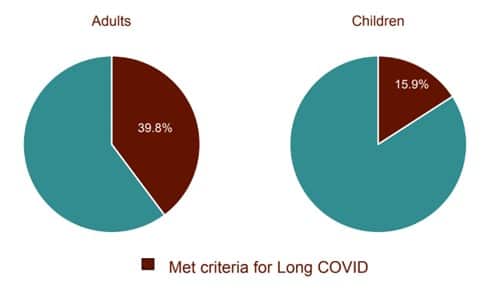
- A follow-up study of AI/AN individuals with COVID-19 conducted from February 2021 through August 2022 found that 39.8% of adults and 15.9% of children had signs and/or symptoms consistent with post-COVID condition (PCC, also known as “long COVID”) three months post-acute illness. Overall, 43.5% of adults and 27.3% of children with PCC had 3 or more signs and/or symptoms. These data call attention to potential ongoing healthcare needs related to PCC in Indigenous communities and the importance of allocating resources to support referral services in rural and other underserved communities.
- The same follow-up study also looked at SARS-CoV-2 (the virus that causes COVID-19) antibodies. When looking at SARS-CoV-2 antibodies after acute infection, many participants were negative for anti-N antibodies by 12 months post-infection, while many participants remained positive for anti-S antibodies by 12 months post-infection. Anti-S antibodies were highest in those who were vaccinated.
- Results from these studies can be used by the Tribes to understand the burden of COVID-19 and to help identify prevention and mitigation strategies.
Publications:
We thank all study participants, IHS and tribal health facility medical staff, community members, the tribal ethical review boards, and the Centers for Disease Control and Prevention for making this study possible. IRB #: NNHRRB NNR-19.350; PHX Area IRB 19.08; JHSPH IRB No. 00009605
