Skip to the content

About Us

Baby

Mission

We work in partnership with communities to advance Indigenous well-being and health leadership to the highest level.

Baby

Vision

Thriving Indigenous communities worldwide.

The Center for Indigenous Health (JHCIH) at the Johns Hopkins Bloomberg School of Public Health, founded in 1991, is dedicated to promoting Indigenous health equity through evidence-based public health programs, education, innovative research, policy advocacy, and the dissemination of proven programs tailored to community needs.

For over 30 years, the Center has braided Indigenous cultural strengths with Western and Indigenous sciences to improve health and well-being across the lifespan. Our core work is co-designing culturally grounded health interventions with tribes in the Southwest, regional hubs in the Great Lakes and Great Plains and 29 states in addition to Indigenous communities in Australia, Canada, and New Zealand.

Download our digital brochure

History

2024

Center opens new Great Plains Hub in Rapid City, South Dakota. Key initiatives include Together Overcoming Diabetes, Northern Plains American Indian Lung Cancer Prevention Project and culturally integrated treatments for substance use disorders

2022
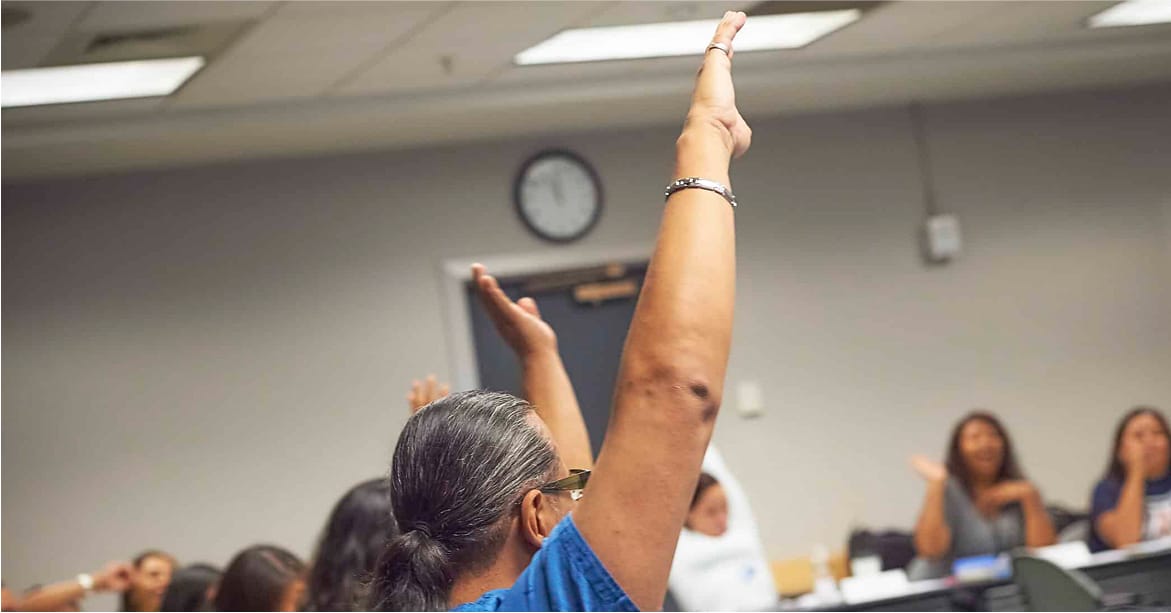
Raising hand

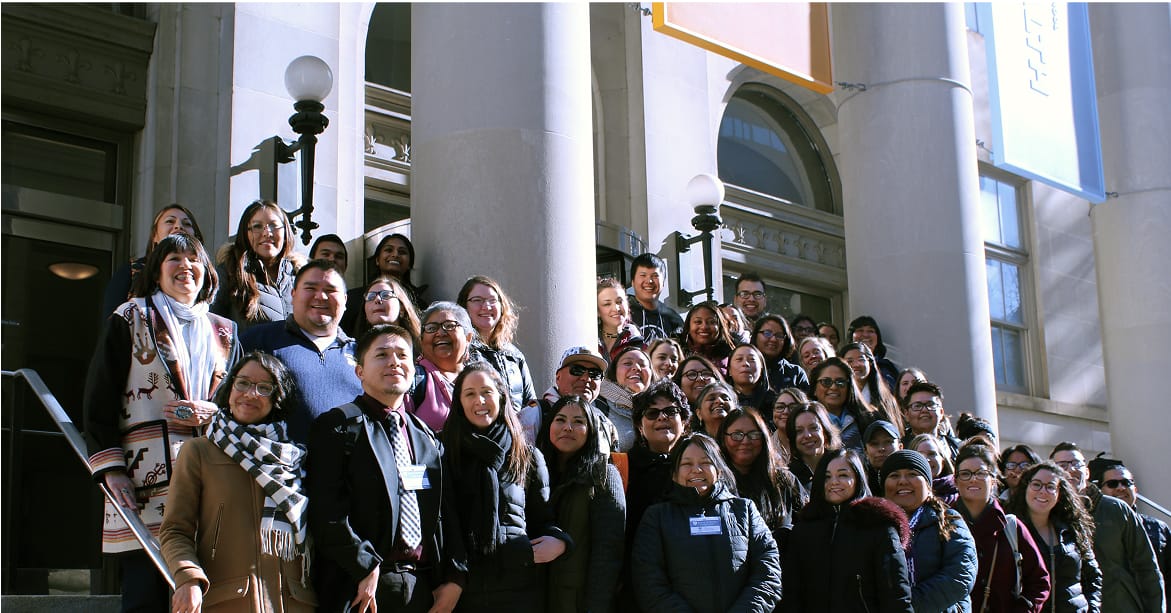
The Center’s new name, Center for Indigenous Health, launches with over 300 staff and faculty members’ unanimous support, 71% of whom are Indigenous.

2022

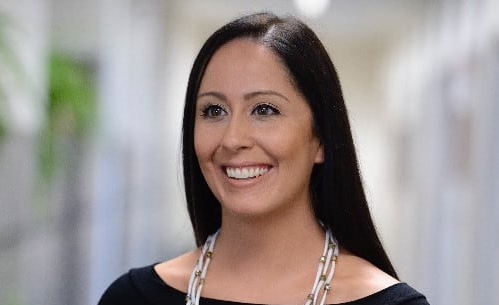
Dr. Donald Warne (Oglala Lakota) joins Johns Hopkins University as Provost Fellow for Indigenous Health Policy and joins Center Executive Leadership team as a Co-Director, along with Dr. Melissa Walls.

2021

Center sites in the southwest U.S. participate in a global clinical trial for prevention of RSV disease, a respiratory virus that causes a disproportionate burden of disease in Indigenous children and is a leading cause of respiratory hospitalization in infants. The trial found that a single dose of monoclonal antibody in healthy term and late pre-term infants was 75% effective in preventing RSV-associated illness.

2021
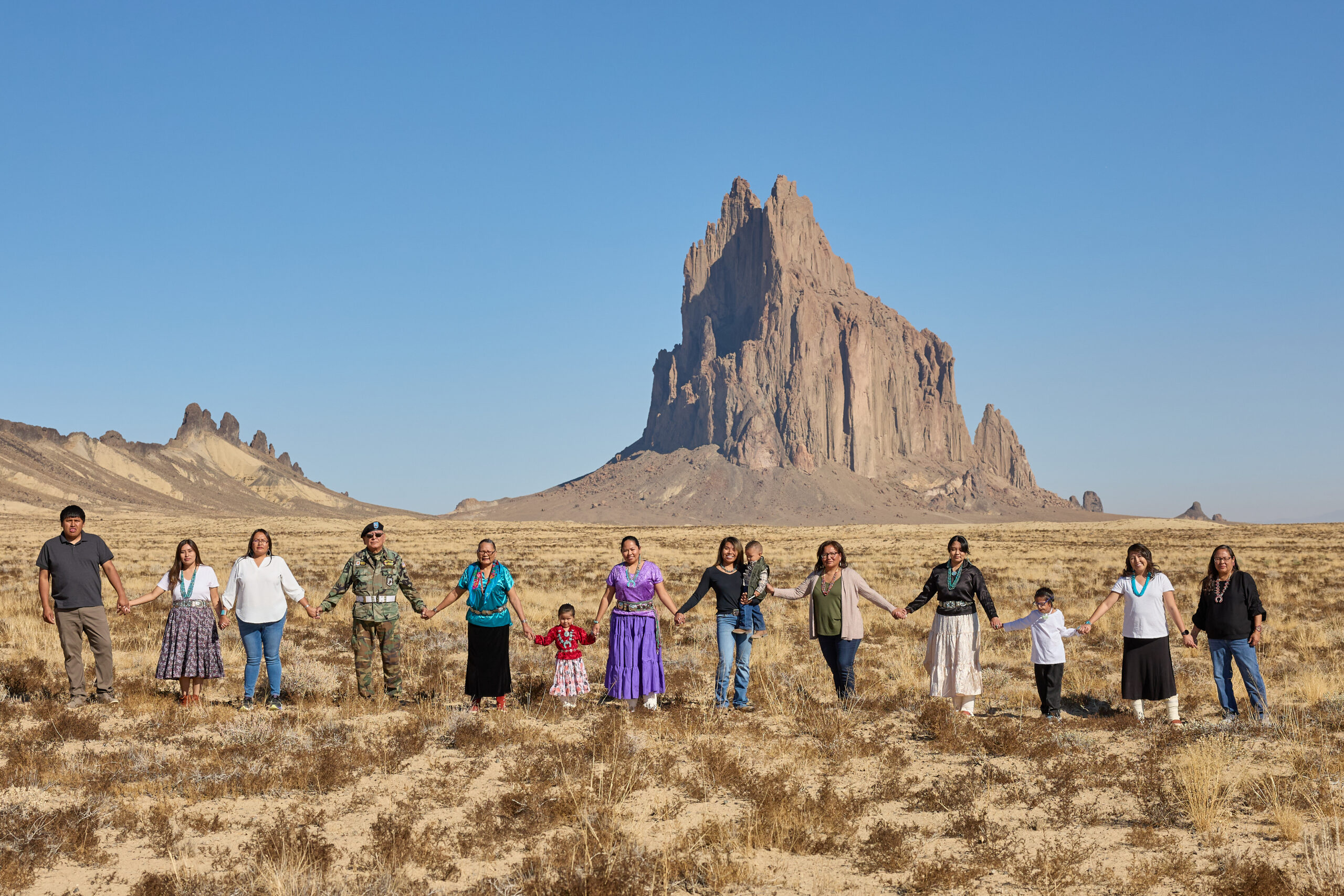
Group of people

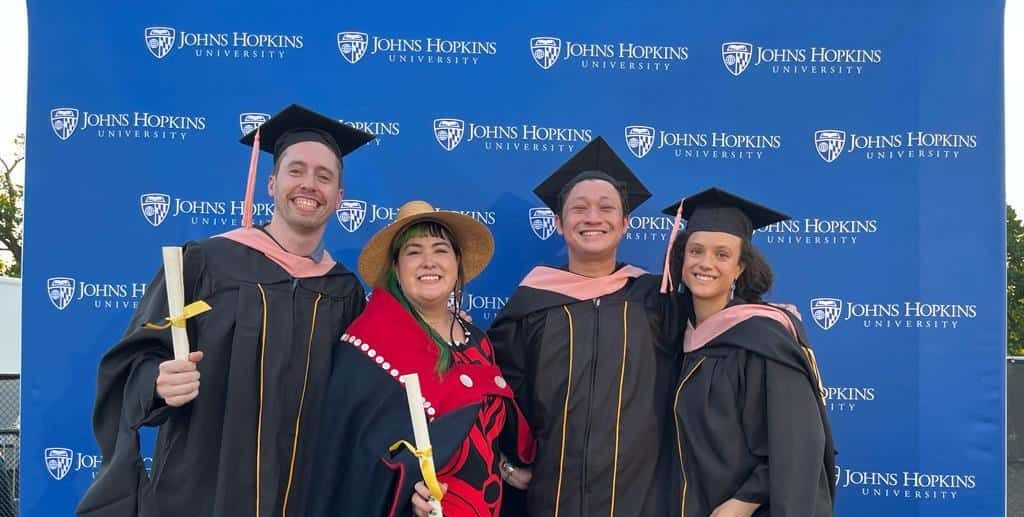
Record number of Indigenous Scholars matriculate in graduate programs at JHBSPH (12 enrolled in 2021); Center recruits record number of Indigenous faculty members (17 hired from 2020-2021).

2021

Dr. Victoria O’Keefe (Cherokee and Seminole Nations of Oklahoma), a psychologist and Indigenous mental health specialist, named the Center’s inaugural Mathu Santosham Endowed Chair in Native American Health.

2020
Kids playing

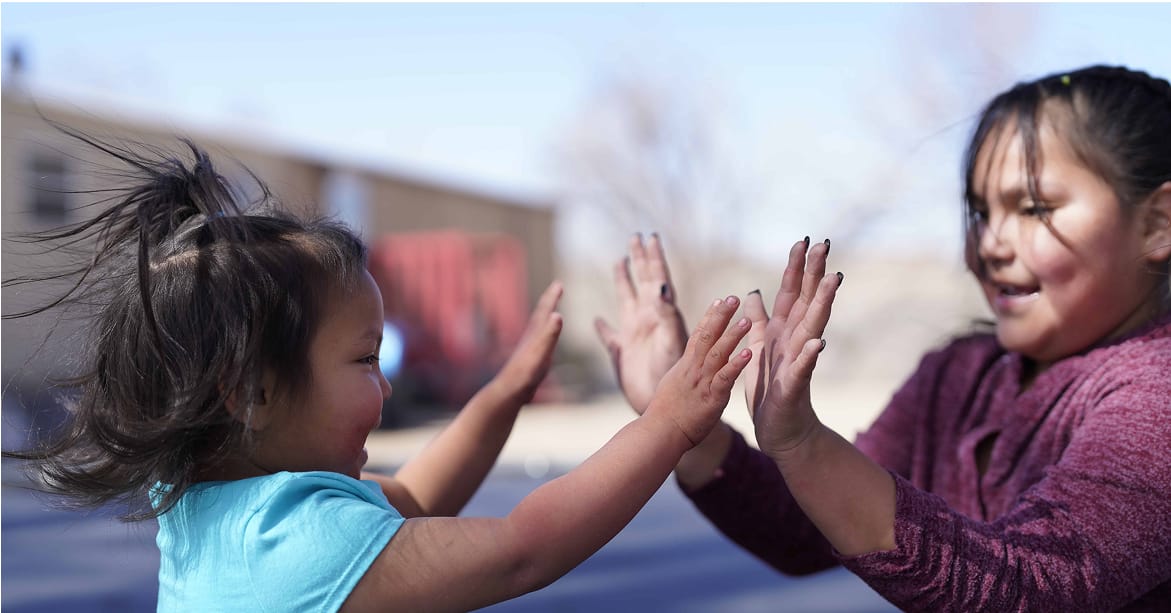
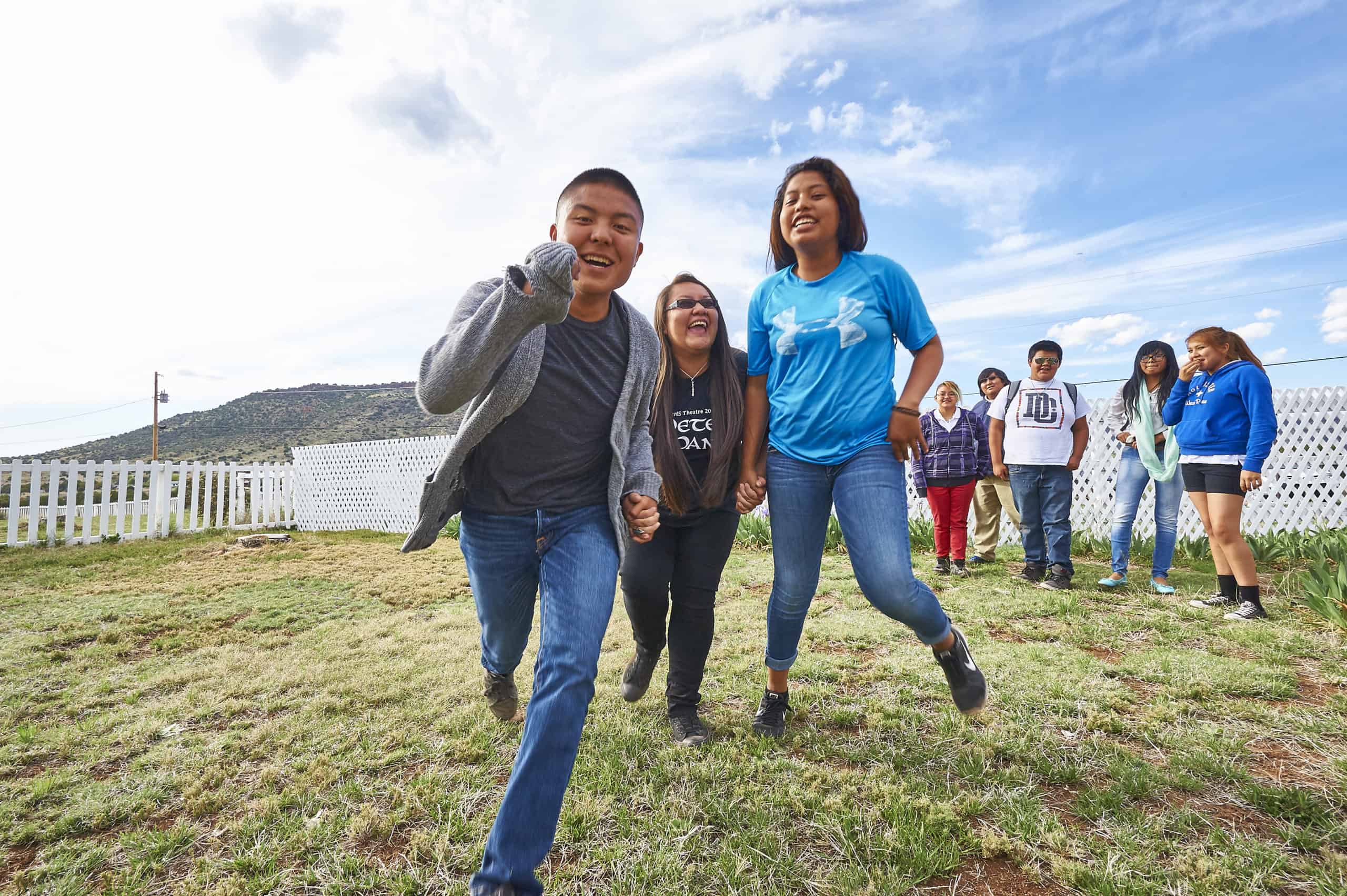
Launch of Project Safe Schools to help children safely return to schools and address the impact of the COVID-19 pandemic families. Our Smallest Warriors, Our Strongest Medicine: over 85,000 books distributed to children from 110 tribes across the U.S. with messages of shared cultural values and mental health coping tools in the face of the pandemic.

2020
Man with mask

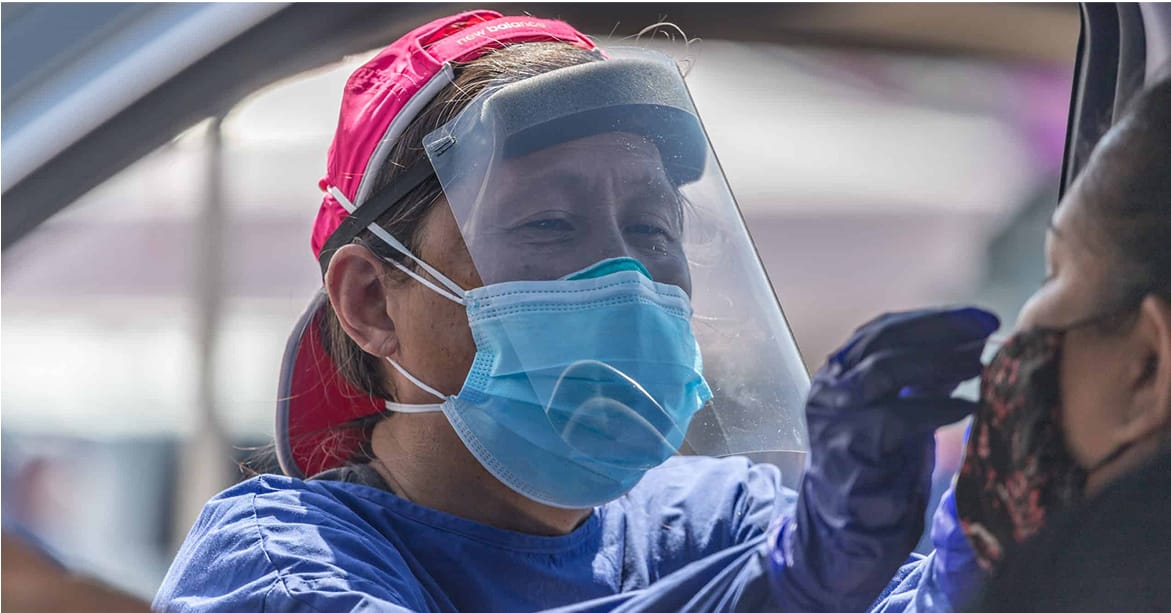
Cases of SARS-CoV-2 are detected in tribal communities. Indigenous Americans experience among the highest rates of COVID-19 disease and death in the U.S. The Center pivots all available personnel to conduct testing and provide support for isolation and quarantine in tribal communities. As vaccines are developed, the Center obtains local approval to offer Navajo and White Mountain Apache community members the opportunity to participate in the Pfizer COVID-19 vaccine trial. The vaccine is proven to be highly effective and, following EUA, vaccine uptake is high amongst Indigenous Americans.

2019

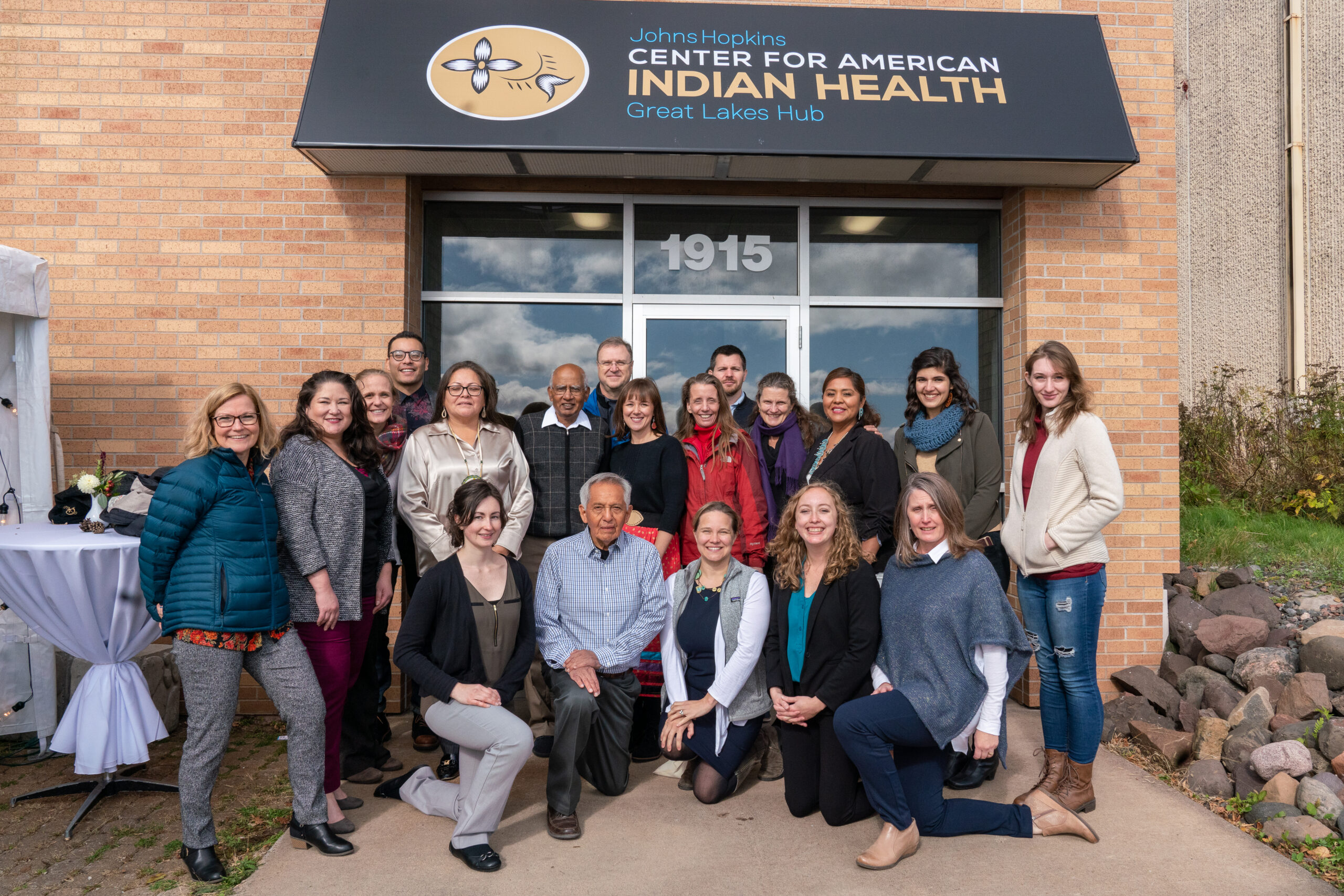
Center’s Great Lakes Hub opens in Duluth, Minnesota under the leadership of Dr. Melissa Walls (Bois Forte and Couchiching First Nation Anishinaabe), who was simultaneously named an endowed Bloomberg American Health Initiative Associate Professor.

2015

Dr. Allison Barlow, who joined the Center the year it was founded in 1991, named as Director of the Center.

2011

Launch of Together on Diabetes (TOD), a multigenerational diabetes prevention model. Over the next four years, over 250 youth and their families trained in TOD curriculum by Family Health Coaches and local paraprofessionals. The Center’s Great Lakes Hub adapted a model with community partners for use with Ojibwe Tribes in 2019.

2007

Launch of Celebrating Life youth suicide prevention and case management model with the White Mountain Apache Tribe. Later shown to reduce suicide deaths by 38% and attempts by 53%. This model continues to be scaled with Indigenous communities in U.S. and beyond.

2001

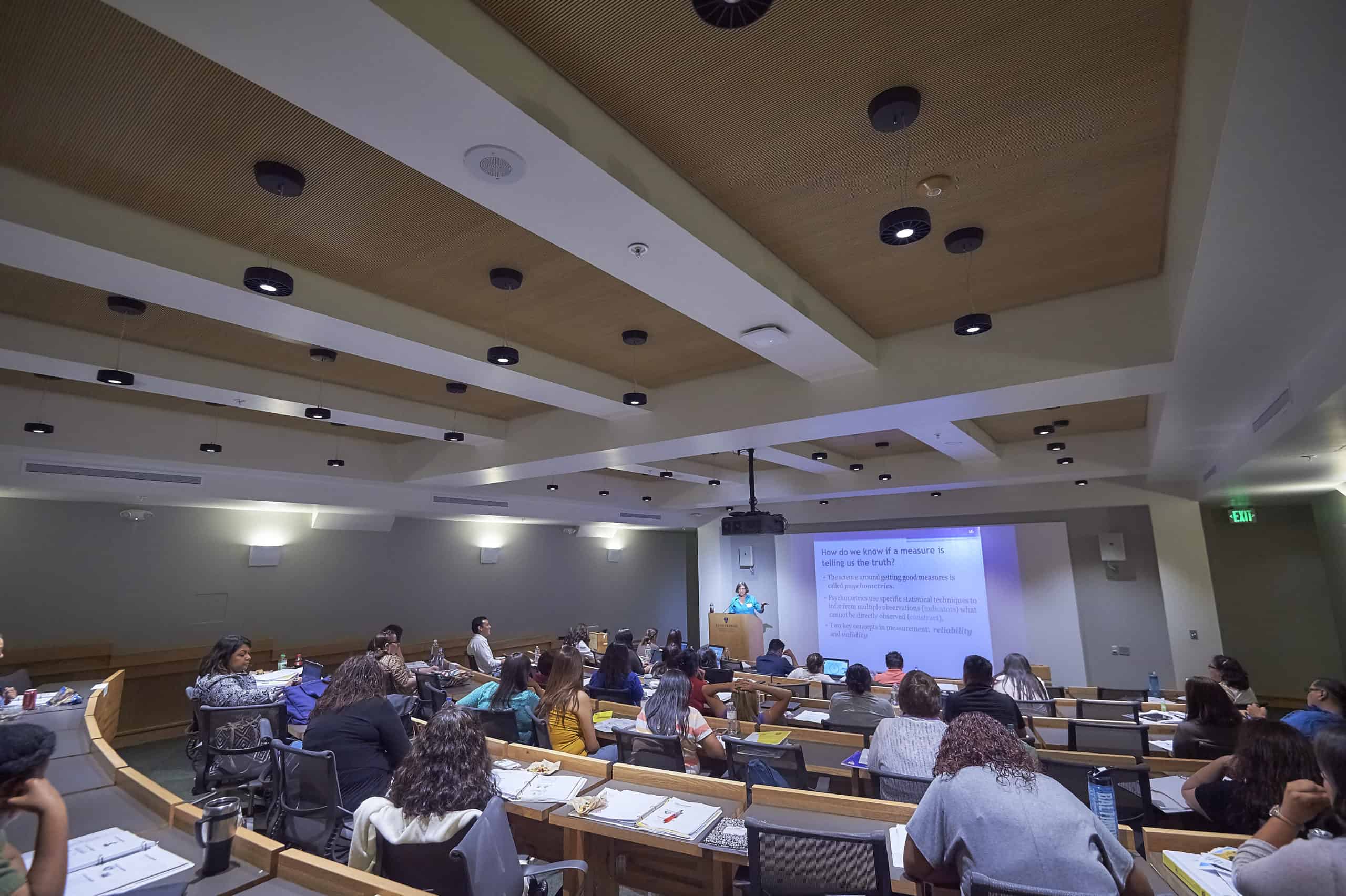
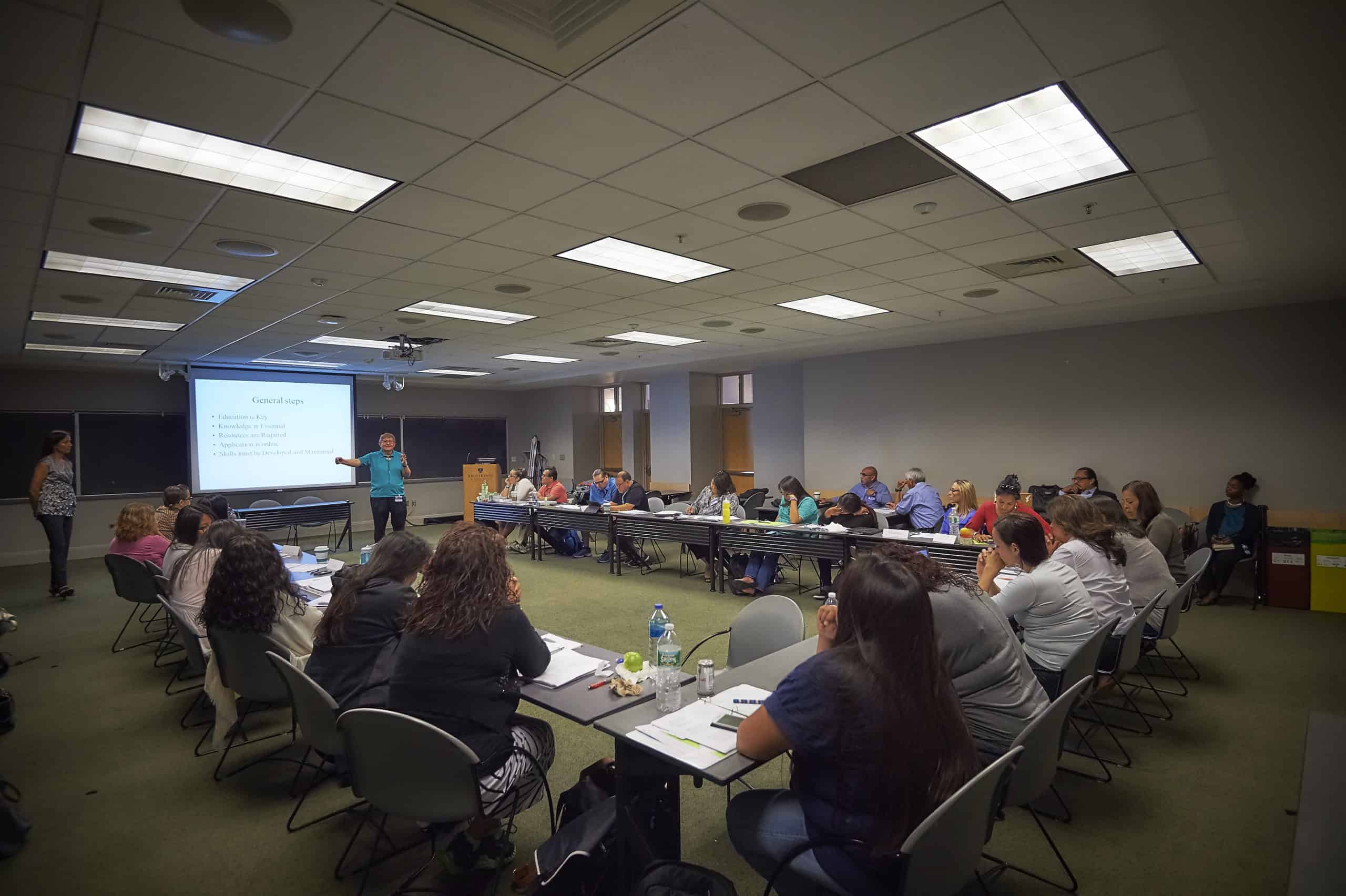
Center’s American Indian health scholarship and Indigenous public health training program begins, eventually turning into the largest AI/AN graduate training and scholarship program in the U.S.

1998

Launch of Family Spirit, early childhood home visiting program, designed for and with tribal communities. Today over 150 communities across 23 states have been trained in Family Spirit.

1996

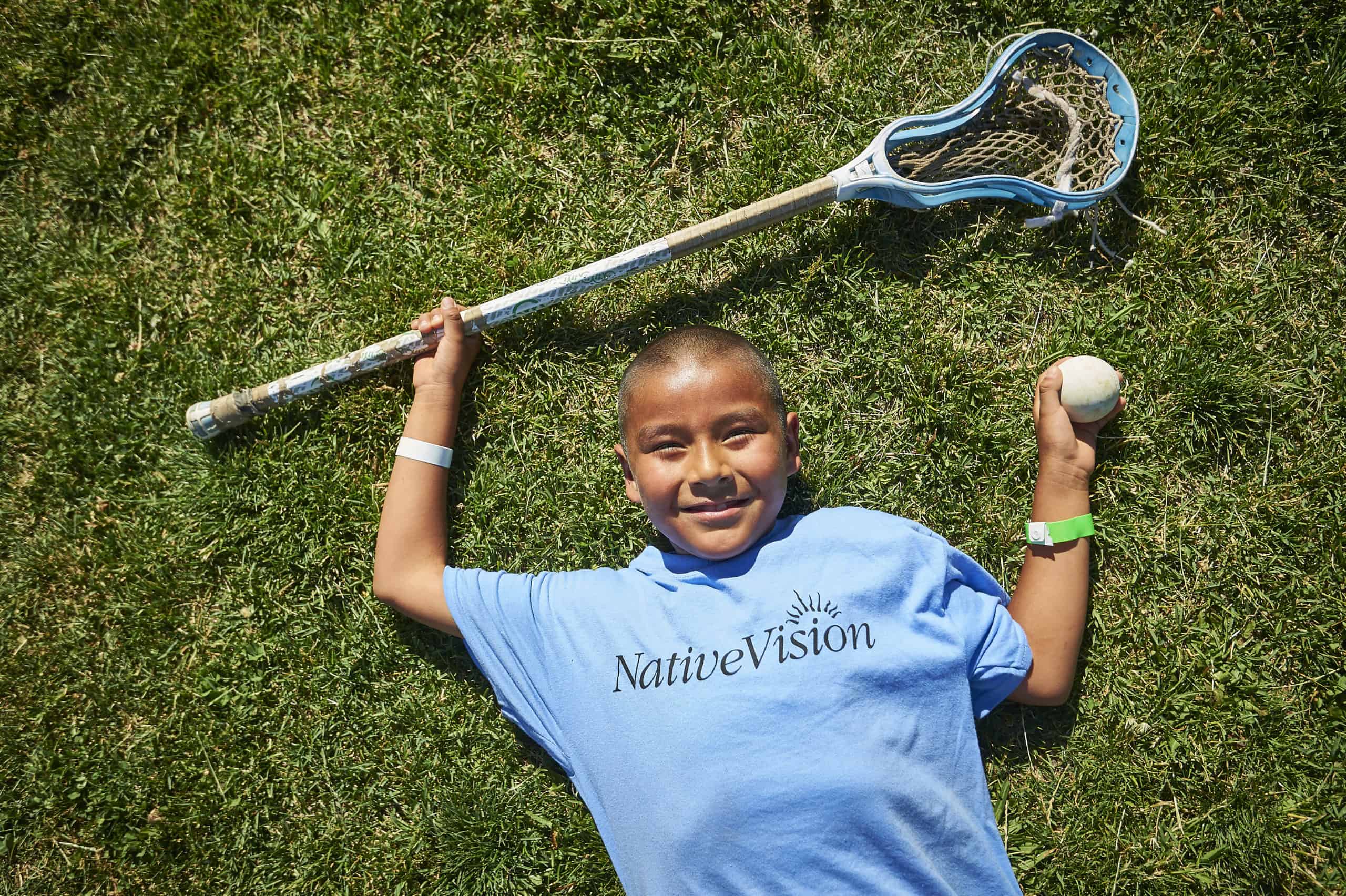
Launch of NativeVision national sports and life skills initiative youth development program in partnership with NFL Players Association. Over 50,000 youth and families have been served.

1995

Launch of Share Our Strength home outreach program with first-time mothers to promote breast-feeding and nutrition.

1991

Center for American Indian Health founded by Mathu Santosham at the Johns Hopkins School of Public Health in Baltimore, Maryland.

1990

Clinical trials conducted with southwest tribal communities prove the efficacy of the Pneumococcal Conjugate Vaccine (against the leading cause of pneumonia) and the Rotavirus Vaccine (against the leading cause of diarrheal illness). These vaccines are introduced into the routine immunization schedule in the United States.

1990

Launch of mental health promotion and suicide prevention work with White Mountain Apache Tribe.

1990

In a clinical trial on the Navajo Nation, PedvaxHib Vaccine is proven highly effective for prevention of Haemophilus influenzae type b (Hib) disease, a devastating cause of meningitis in infants and young children. In recognition of their contribution, the Navajo Nation received the first delivery of licensed PedvaxHib vaccine in the United States.

1980

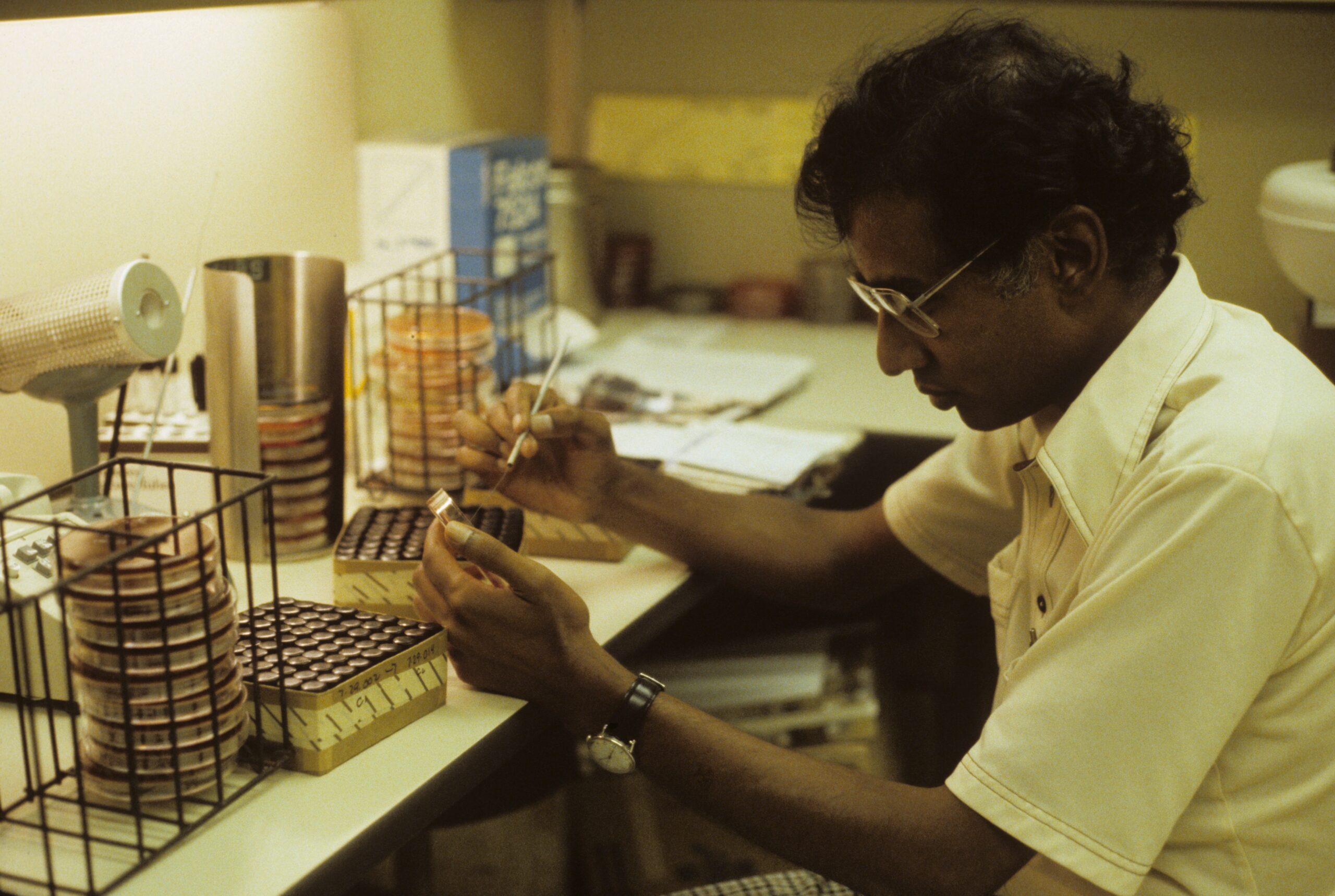
Successful prevention of infant deaths from diarrhea by proving impact of Oral Rehydration Therapy (ORT), today known as Pedialyte, with the White Mountain Apache Tribe. Work led by Mathu Santosham, pediatrician and Center founder and Dr. Ray Reid (Diné).

Privacy Overview

This website uses cookies so that we can provide you with the best user experience possible. Cookie information is stored in your browser and performs functions such as recognising you when you return to our website and helping our team to understand which sections of the website you find most interesting and useful.